Program
Saturday, September 19, 2026
This educational program is presented by board-certified dermatologists. Please note that this is not an accredited continuing professional development (CPD) activity.
| 8:30am–9:30am | Registration Opens & Continental Breakfast |
| 9:30am–9:40am | Welcome and Introduction Dr. Patrick Fleming / Dr. Kyle Lee |
| 9:40am–10:25am |
Individualized Medicine for Pediatrics: Advanced Targeted Topical Learning objectives of the session:
Sponsored by Arcutis Canada |
| 10:30am–11:00am |
Modern Isotretinoin: The Lidose Difference and Why It Matters Learning Objectives: 1. Ensure clarity as it relates to absorption of Lidose technology and why it matters |
| 11:05am–11:35am |
In Good Hands: Navigating Chronic Hand Eczema (CHE) in Daily GP Practice Learning Objectives: Sponsored by LEO Pharma |
| 11:40am–12:10pm |
Holistic Dermatological Care: A Complete Approach to Acne and Dandruff Management Across the Skin Spectrum Sponsored by L’Oréal Dermatological Beauty |
| 12:10pm–1:00pm | Lunch Break (included) |
| 1:00pm–1:45pm |
Practical Approaches to the Management of Acne & Onychomycosis in Primary Care Learning Objectives: 1. Describe the clinical features of each dermatologic condition Sponsored by Bausch Health, Canada Inc. |
| 1:50pm–2:20pm |
Innovation in Psoriasis Care: Novel non-steroidal topical treatments Learning Objectives: 1. Identify which plaque psoriasis patients are most appropriate for emerging non-steroidal topical treatments based on efficacy, safety, and tolerability profiles. Sponsored by Organon Canada |
| 2:20pm–2:45pm | Coffee Break |
| 2:45pm–3:15pm |
Chronic Spontaneous Urticaria: Prevalence, Impact, and Unmet Clinical Needs Learning Objectives: 1. Highlight clinical features of CSU and burden of disease. Sponsored by Sanofi Regeneron |
| 3:20pm–3:50pm |
Advances in Therapeutic Moisturizers: Best Practices for the Treatment of Atopic Dermatitis This peer-to-peer educational program has been specifically designed for general and family medicine practitioners. Program content will feature:
Sponsored by Beiersdorf / Eucerin |
| 3:55pm-4:25pm |
Plenary Presentation Learning Objectives: 1. Describe the morphology and key clinical features of benign and malignant skin lesions, with a focus on basal cell carcinoma and squamous cell carcinoma. |
| 4:25pm-4:30pm | Closing Comments Dr. Patrick Fleming / Dr. Kyle Lee |
Program
Saturday, September 19, 2026
Continuing Professional Development: This conference is an unaccredited activity.
| 8:30am–9:30am | Registration Opens & Continental Breakfast |
| 9:30am–9:40am | Welcome and Introduction Dr. Patrick Fleming / Dr. Kyle Lee |
| 9:40am–10:25am |
Individualized Medicine for Pediatrics: Advanced Targeted Topical Learning objectives of the session: 1. Examine the role of patch testing and the impact food allergies play in managing pediatric atopic dermatitis Sponsored by Arcutis Canada |
| 10:30am–11:00am |
Modern Isotretinoin: The Lidose Difference And Why It Matters Learning Objectives: 1. Ensure clarity as it relates to absorption of Lidose technology and why it matters |
| 11:05am–11:35am | Hand Eczema Speaker: TBC Sponsored by LEO Pharma |
| 11:40am–12:10pm | TITLE TBC Speaker: tbc |
| 12:10pm–1:00pm | Lunch Break (included) |
| 1:00pm–1:45pm |
Practical Approaches to the Management of Acne & Onychomycosis in Primary Care Learning Objectives: 1. Describe the clinical features of each dermatologic condition Sponsored by Bausch Health, Canada Inc. |
| 1:50pm–2:20pm |
Innovation in Psoriasis Care: Learn about the management of plaque psoriasis using novel non-steroidal topical treatments Learning Objectives: 1. Identify which plaque psoriasis patients are most appropriate for emerging non-steroidal topical treatments based on efficacy, safety, and tolerability profiles. Sponsored by Organon Canada |
| 2:20pm–2:45pm | Coffee Break |
| 2:45pm–3:15pm |
Chronic Spontaneous Urticaria: Prevalence, Impact, and Unmet Clinical Needs Learning Objectives: 1. Highlight clinical features of CSU and burden of disease. Sponsored by Sanofi Canada |
| 3:20pm–3:50pm |
Advances in Therapeutic Moisturizers: Best Practices for the Treatment of Atopic Dermatitis Sponsored by Beiersdorf / Eucerin |
| 3:55pm-4:25pm |
Plenary Presentation Learning Objectives: 1. Describe the morphology and key clinical features of benign and malignant skin lesions, with a focus on basal cell carcinoma and squamous cell carcinoma. |
| 4:25pm-4:30pm | Closing Comments Dr. Patrick Fleming / Dr. Kyle Lee |
2026 Presenters
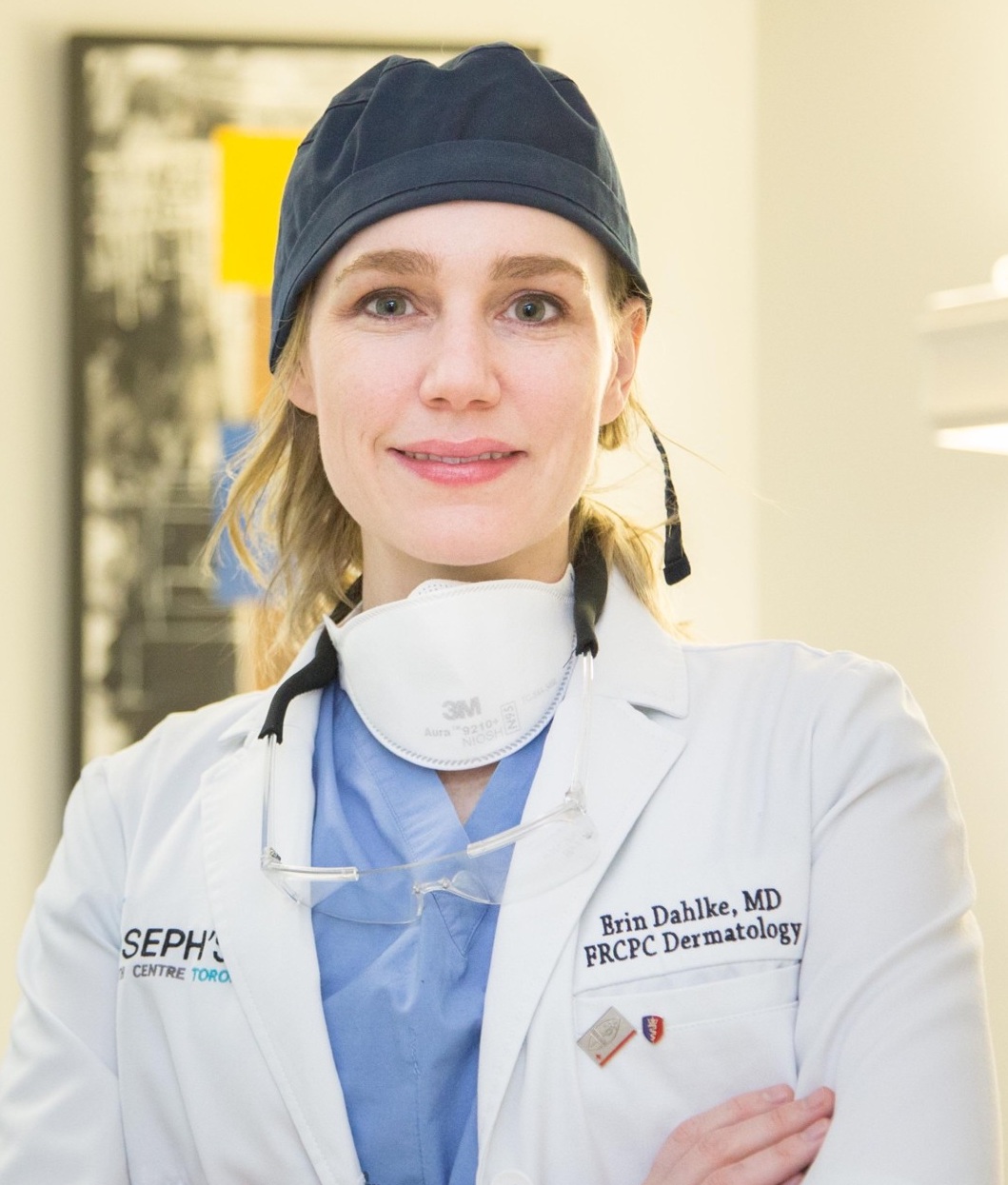
Erin Dahlke, MD, FRCPC
Invited Plenary Presentation: Skin Cancer in Primary Care – An approach to keratinocyte carcinomas
3:55pm – 4:25pm
Dr. Dahlke is the Division Head for Dermatology at St. Joseph’s Health Centre and leads the Mohs micrographic surgery unit. She is an adjunct Assistant Professor at both the University of Toronto and Queens University and is actively engaged in medical education. Her research interests include skin cancer treatment, equity and diversity in medical education, and quality improvement initiatives focused on patient experience. Clinically Dr. Dahlke specializes in Mohs Micrographic Surgery, with a focus on providing excellent functional and aesthetic outcomes in post-tumour extirpation facial reconstruction.
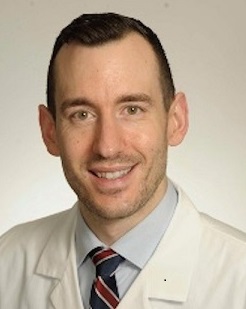
Patrick Fleming, MD, FRCPC
Innovation in Psoriasis Care – Novel Non-Steroidal Topical Therapy
1:50pm – 2:20pm
Dr. Patrick Fleming is a dermatologist with focus on inflammatory skin disease including psoriasis, atopic dermatitis, & prurigo nodularis. He is an Assistant Professor of Medicine at the University of Toronto. He completed residency at the University of Toronto where he was Chief Dermatology Resident and concurrently completed the Global Clinical Scholars program in Clinical Trials at Harvard Medical School. He also holds a Master’s degree in Community Health, a Graduate Certificate in Medical Education, and was the Gold Medalist in medical school. He is an Associate Editor the Journal of Cutaneous Medicine and Surgery. Dr. Fleming’s research background includes systematic reviews and he is an investigator for dermatology clinical trials.
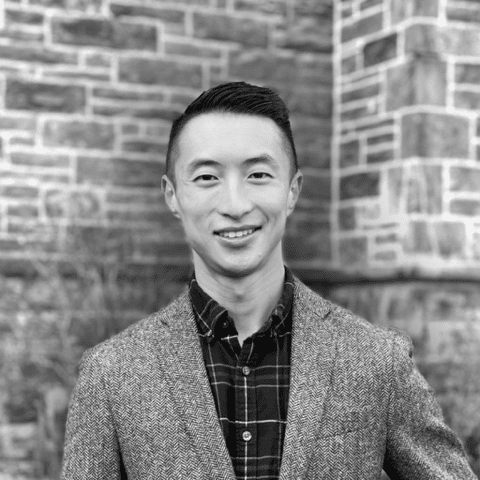
Kyle Lee, BMLSc, BMBS, MPH, CCFP
Session Moderator
Dr. Kyle O. Lee is an Academic Family Physician and Assistant Professor at the University of Toronto with over 10 years of clinical experience, currently practicing at Sumac Creek Health Centre within the St. Michael’s Academic Family Health Team. He holds a Master of Public Health from the Dalla Lana School of Public Health (University of Toronto), a Bachelor of Medicine and Surgery from the University of Limerick, and completed his family medicine residency at St. Michael’s Hospital, University of Toronto.
With a particular passion for dermatology education, Dr. Lee serves as Co-Chair of the Scientific Committee for Skin Basics for Primary Care, a full-day CME conference dedicated to upskilling clinicians in dermatology, and has contributed to peer-reviewed publications on atopic dermatitis and psoriasis management for primary care providers. He has consulted and spoken at numerous national and international educational events and advisory boards, partnering with organizations including the Eczema Society of Canada, International Centre for Professional Development in Health and Medicine, Centre for Effective Practice, CPD Network and many others, and brings a clinician-centred, evidence-based perspective to primary care dermatology education.
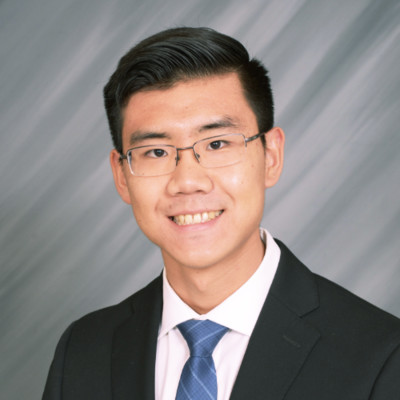
Daniel Li, MD, FRCPC
Individualized Medicine for Pediatrics: Advanced Targeted Topical Treatments in Management of Atopic Dermatitis
9:40am – 10:25am
Dr. Daniel Li is a Clinical Immunologist and Allergist with a special interest in inflammatory skin conditions. He received his medical degree from the University of Toronto before completing residency training in Internal Medicine and two years of fellowship training in Allergy and Clinical Immunology at the University of Toronto.
He practices in Stoney Creek and Niagara Falls, Ontario. Dr. Li is actively involved in clinical research and serves as an investigator with Probity Medical Research Inc. He has contributed to over 18 clinical trials in atopic dermatitis and chronic spontaneous urticaria through his work with Allergy Research Canada Inc and LEADER Research.
He also holds an appointment as Adjunct Assistant Clinical Professor at McMaster University, where he is involved in clinical teaching
Carrie Lynde, LLB, MD, FRCPC
Modern Isotretinoin: The Lidose Difference And Why It Matters
10:30am – 11:00am
Dr. Carrie Lynde is a board-certified dermatologist who practises at Lynde Institute for Dermatology in Markham. She is a member of the Canadian Dermatology Association.
Dr. Lynde completed her HBSc (0T2), LLB (UWO 2005), Medical Degree (0T9) and Residency in Dermatology at the University of Toronto in 2014. Dr Lynde completed a fellowship in Laser and Esthetic Medicine at the University of Toronto in 2015.
Dr. Lynde acts as an investigator for clinical trials including those for novel skin therapeutics at Lynderm Research and Probity Research. She has published papers in peer-reviewed journals and has spoken at national dermatology scientific conferences.
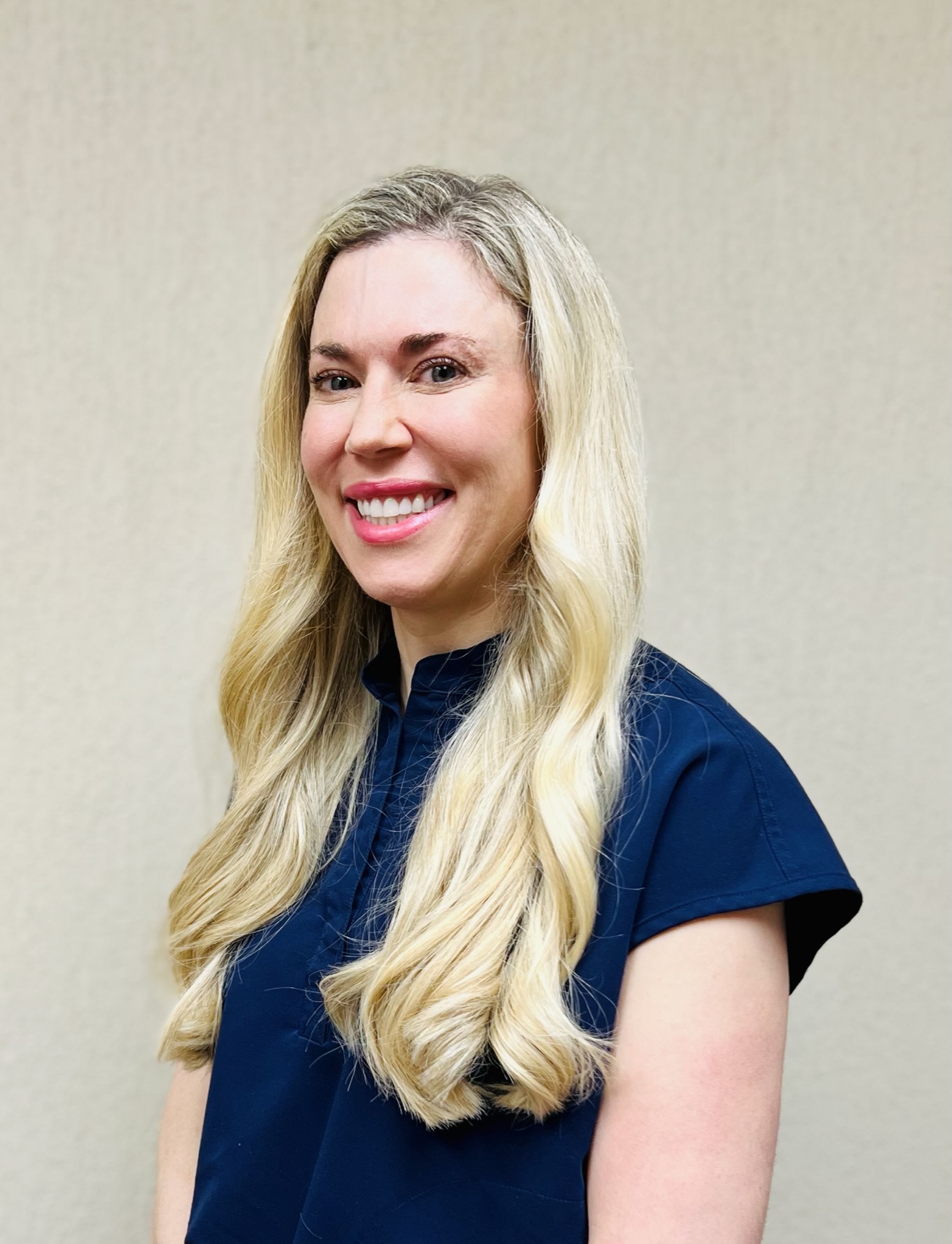
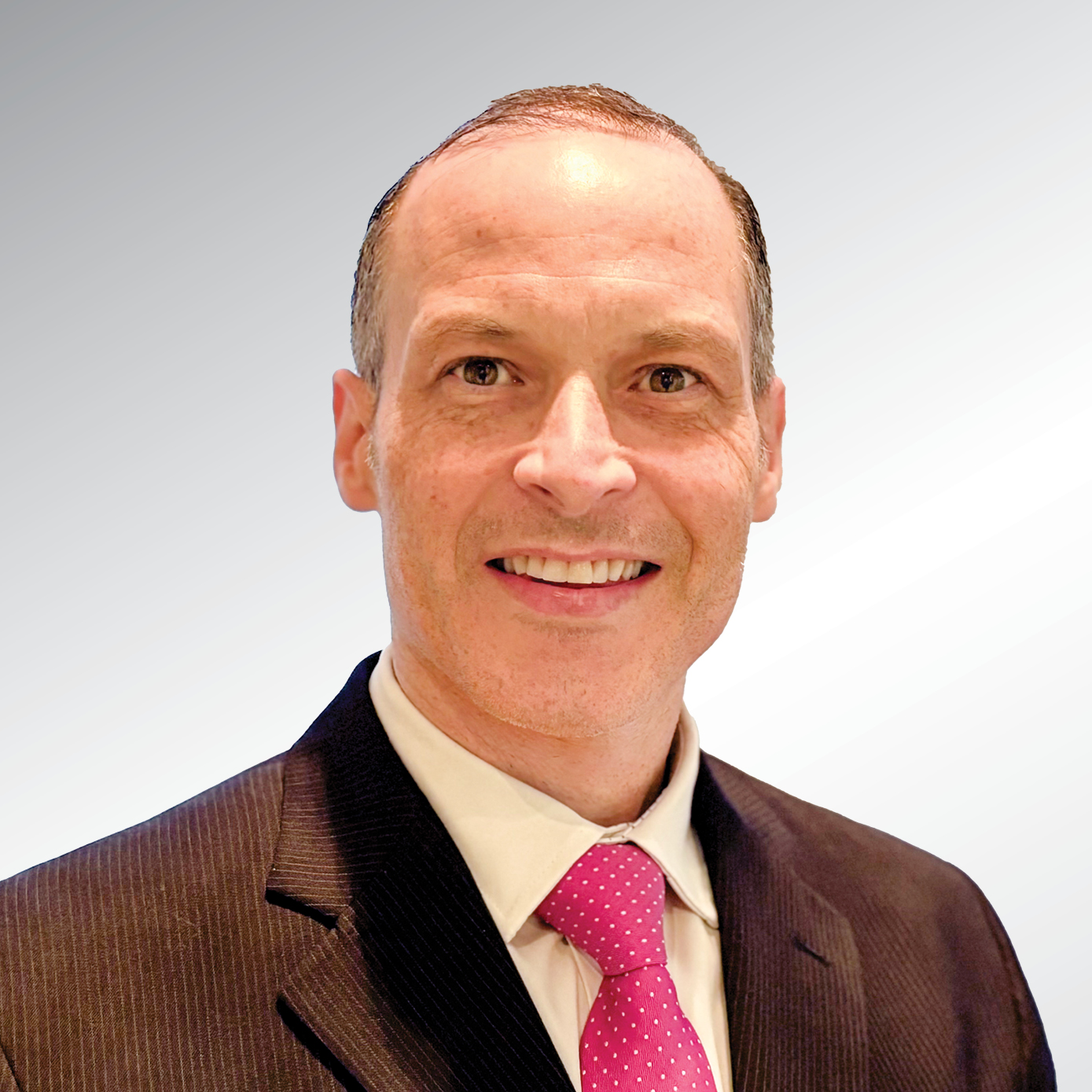
Practical Approaches to the Management of Acne & Onychomycosis in Primary Care
1:00 – 1:45pm
Adam Natsheh is a board-certified dermatologist and a member of the division of Dermatology with the University of Toronto. He practices at Women’s College Hospital and at a group dermatology practice in North York. He regularly gives presentations to health care professionals helping to simplify dermatology therapeutics and giving attendees the necessary tools to be successful with their patient interactions.
Cathryn Sibbald, MD, MSc, FRCPC, DABD
Individualized Medicine for Pediatrics: Advanced Targeted Topical Treatments in Management of Atopic Dermatitis
9:40am – 10:25am
Dr. Cathryn Sibbald is an Associate Professor at the University of Toronto and a full-time staff physician in the Division of Dermatology at the Hospital for Sick Children. She also works at St Joes hospital in Toronto. She completed her dermatology residency training at the University of Toronto followed by fellowship training in Pediatric Dermatology at the Children’s Hospital of Philadelphia. She has interests in autoimmune and inflammatory skin conditions and impacts on quality of life, and co-leads alopecia, morphea and Hidradenitis specialty clinics at SickKids, an adult morphea clinic at Mount Sinai, and a transition clinic at St Joes.
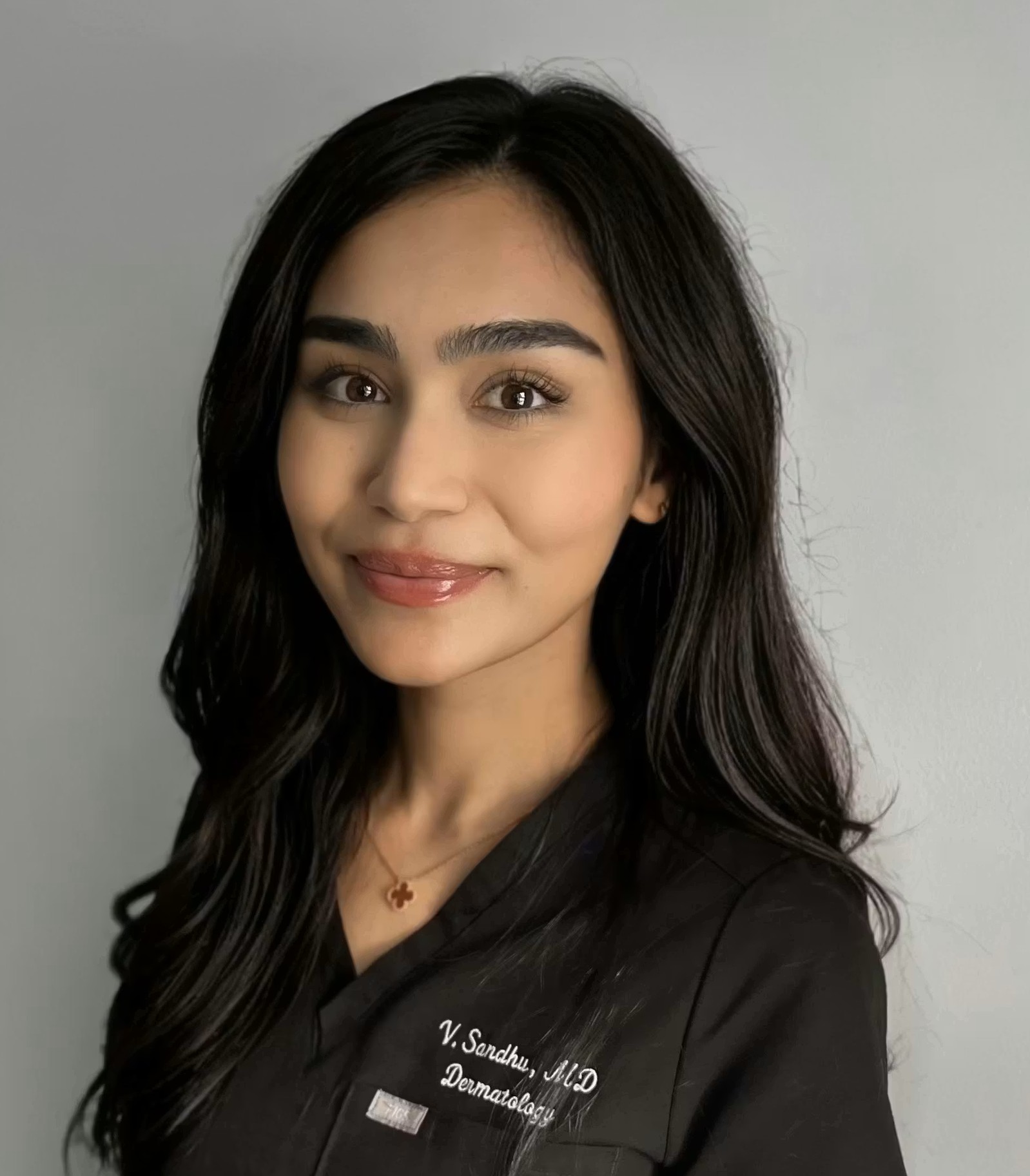
Vijay Sandhu, MD, FRCPC
Advances in Therapeutic Moisturizers: Best Practices for the Treatment of Atopic Dermatitis
3:20-3:50pm
Dr. Vijay Sandhu is a board-certified dermatologist and fellow of the Royal College of Physicians and Surgeons of Canada. She brings academic excellence, clinical leadership, and a comprehensive approach to dermatologic care in the Greater Toronto Area.
Sanjay K. Siddha, MD, FRCPC
In Good Hands: Navigating Chronic Hand Eczema (CHE) in Daily GP Practice
11:05-11:35am
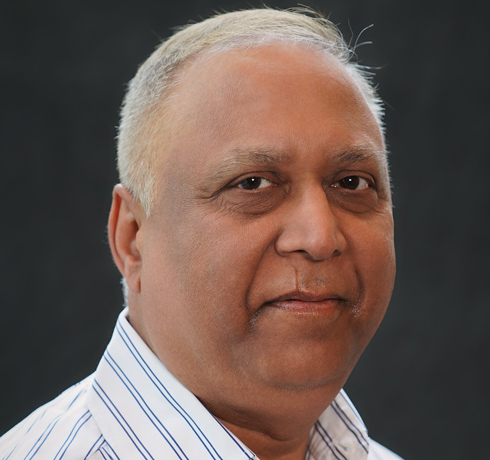
Dr. Sanjay Kumar Siddha, MD, FRCPC, is a Canadian, board-certified dermatologist with more than 15 years of clinical and research experience in the field of dermatology. He is a Fellow of the Royal College of Physicians and Surgeons of Canada and is licensed with the College of Physicians and Surgeons of Ontario.
Dr. Siddha is an Investigator and Director at Ryan Clinical Research Inc. in Newmarket, Ontario, and a dermatologist at Clear Skin Dermatology. In addition, he is an Assistant Professor in the Division of Dermatology at the University of Toronto. His clinical experience encompasses treatment of complicated dermatological issues like psoriasis, atopic dermatitis, hidradenitis suppurativa, alopecia areata, and other autoimmune and inflammatory skin conditions.
Dr. Siddha is highly interested in clinical research and has been involved in various Phase 1-4 clinical trials on dermatologic therapies and novel treatments. Dr. Siddha is a member of numerous professional organizations such as the Canadian Dermatology Association, American Academy of Dermatology, and the Royal College of Physicians and Surgeons of Canada. He has authored various peer-reviewed journals and is still a reviewer with major dermatology journals. Having tremendous clinical trial experience, and a desire for further dermatologic practice, Dr. Siddha is known to have contributed to the care of patients and to medical research.
Gordon Sussman, MD
Chronic Spontaneous Urticaria: Prevalence, Impact, and Unmet Clinical Needs
2:45pm – 3:15pm
Dr. Gordon L. Sussman is a Canadian physician, researcher, and educator specializing in Allergy, Clinical Immunology, and Internal Medicine. Based in Toronto, Ontario, he has been a leading figure in allergy and immunology for more than three decades, with a career spanning clinical practice, research, teaching, and medical leadership.
Dr. Sussman earned his medical degree from the Schulich School of Medicine & Dentistry at Western University in 1977 and subsequently obtained specialty certification in Internal Medicine and Clinical Immunology and Allergy through the Royal College of Physicians and Surgeons of Canada. He has been licensed for independent medical practice in Ontario since the early 1980s.
Throughout his career, Dr. Sussman has made significant contributions to the understanding and treatment of allergic and immunologic diseases. He is particularly recognized for his pioneering work in natural rubber latex allergy, having been among the first physicians to identify and report cases of latex allergy. His research helped raise awareness of the condition and contributed to reductions in latex exposure within healthcare settings.
His research interests have also included chronic urticaria (hives), angioedema, asthma, food allergies, drug allergies, and immune disorders. Dr. Sussman and his colleagues were among the first researchers to demonstrate that chronic hives are generally not caused by food allergies, helping to reshape clinical understanding of the condition.
In addition to his clinical and research work, Dr. Sussman serves as a Professor and Clinician-Teacher at the University of Toronto, contributing to the education and mentorship of future physicians and specialists in allergy and immunology.
Dr. Sussman leads a busy clinical allergy practice in Toronto and has held appointments at major academic hospitals, including University Health Network, Sinai Health System, and St. Michael’s Hospital. He is widely regarded as a key opinion leader in Canadian allergy and immunology and has been involved in numerous clinical trials and scientific publications throughout his career.
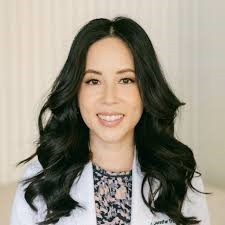
Jennifer Tran, MD, FRCPC, DABD
Holistic Dermatological Care: A Complete Approach to Acne and Dandruff Management Across the Skin Spectrum
11:40am – 12:10pm
Dr. Jennifer Tran is a double board-certified dermatologist with knowledge in medical, surgical, and cosmetic dermatology.
Dr. Tran completed her undergraduate training in Health Sciences at McMaster University. She then completed her medical degree and subsequently her dermatology residency at the University of Toronto, where she served as chief resident during her final year of training. She is a Clinical Associate at Sunnybrook Health Sciences Centre and an appointed Lecturer at the University of Toronto. She has published in numerous peer-reviewed journals and presented at international dermatology conferences.
Her practice includes dermatologic conditions such as melanoma, eczema, and acne, as well as cosmetic procedures such as Botox and fillers.
Susan Waserman, MD
Chronic Spontaneous Urticaria: Prevalence, Impact, and Unmet Clinical Needs
2:45pm – 3:15pm
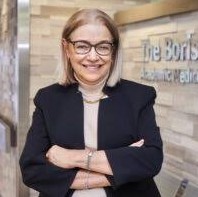
Dr. Susan Waserman is one of Canada’s leading specialists in Allergy, Clinical Immunology, and Internal Medicine, recognized for her contributions to patient care, research, medical education, and national guideline development in allergy and immunology. She is a Professor of Medicine at McMaster University and serves as Director of the Division of Clinical Immunology & Allergy, as well as holding the Schroeder Chair in Allergy and Immunology Research. Dr. Waserman earned both her Master of Science degree and medical degree from McGill University, followed by specialty training in Internal Medicine and subspecialty training in Allergy and Clinical Immunology. She completed advanced fellowship training at the Meakins-Christie Laboratories at McGill University and at McMaster University, establishing a strong foundation in both clinical practice and research.
Based in Hamilton, Ontario, Dr. Waserman is the Director of the Adverse Reactions Clinic at the Firestone Institute for Respiratory Health, St. Joseph’s Healthcare Hamilton, where she maintains an active clinical practice caring for both adult and pediatric patients with allergic and immunologic disorders. Her research has focused on food allergy, peanut allergy, anaphylaxis, allergic rhinitis, asthma, urticaria, and hereditary angioedema, with particular interest in understanding the mechanisms of allergic disease and improving patient outcomes through innovative therapies and evidence-based care. She has led and participated in numerous clinical trials and has contributed extensively to national and international allergy guidelines.
Dr. Waserman has held several influential leadership positions, including President of both the Canadian Society of Allergy and Clinical Immunology (CSACI) and the Ontario Society of Allergy and Clinical Immunology, and President of the Canadian Allergy, Asthma and Immunology Foundation. She has also served in advisory roles with organizations such as Asthma Canada, Food Allergy Canada, and the Canadian Hereditary Angioedema Network.
Throughout her career, Dr. Waserman has been widely recognized for her commitment to physician education, patient advocacy, and the advancement of allergy and immunology research in Canada. Her work has helped shape best practices in the management of food allergy, anaphylaxis, immunotherapy, and other allergic disorders, making her a highly respected leader in the field.
Daniel Wong, MD, FRCPC
Individualized Medicine for Pediatrics: Advanced Targeted Topical Treatments in Management of Atopic Dermatitis
9:40am – 10:25am
Dr. Daniel Wong is a board-certified dermatologist. He earned a Bachelor’s degree in Medical Sciences studying Clinical Biochemistry at Western University. Dr. Wong then went on to obtain his Medical Doctorate from Western University. He completed his 5-year dermatology residency at the University of Toronto and is currently an Assistant Clinical Professor in the Department of Medicine at McMaster University. Dr. Wong is co-founder of Benchmark Dermatology in Burlington, and also works as an associate at Refine Dermatology in Oakville. His interests include skin cancer, inflammatory skin conditions, pruritus, and medical education.